Gain Experience

Want to apply the skills and knowledge that you are gaining to a new setting or experience? Employers often give greater consideration to job applicants who have relevant experience that extends beyond coursework or an academic degree. Consider these resources to begin to uncover opportunities to gain experience through activities such as research, campus involvement, project work, volunteerism, job shadowing, and more. Graduate students can also visit additional resources related to gaining experience.

  • Explore a plethora of opportunities to expand your research experience as an undergraduate student.
  • Join a student club or organization to supplement your academics and consider taking on a leadership role.
  • Use platforms like Catchafire, Forage, and Parker Dewey to find short-term, virtual, project-based experiences to build your skills.
  • Connect with a UConn alum on LinkedIn to inquire about job shadowing opportunities.
  • Investigate the professional associations, additional training, and certification opportunities available in your field.

For customized guidance on gaining more experience, meet with a Career Coach to discuss options that support your goals.


 

Want to apply the skills and knowledge that you are gaining to a new setting or experience? Employers often give greater consideration to job applicants who have relevant experience that extends beyond coursework or an academic degree. Consider these resources to begin to uncover opportunities to gain experience through activities such as research, campus involvement, project work, volunteerism, job shadowing, and more. Graduate students can also visit additional resources related to gaining experience.

  • Explore a plethora of opportunities to expand your research experience as an undergraduate student.
  • Join a student club or organization to supplement your academics and consider taking on a leadership role.
  • Use platforms like Catchafire, Forage, and Parker Dewey to find short-term, virtual, project-based experiences to build your skills.
  • Connect with a UConn alum on LinkedIn to inquire about job shadowing opportunities.
  • Investigate the professional associations, additional training, and certification opportunities available in your field.

For customized guidance on gaining more experience, meet with a Career Coach to discuss options that support your goals.

Frequently Asked Questions 

Here are quick answers to the most common questions we get about how to gain experience. For further questions about our responses or any other questions, schedule an appointment with a career coach. 

Any role you’ve had that has taught you transferrable and/or technical skills counts as experience. Common forms of experience include jobs, internships, student organization involvement, community service, research, shadowing, job simulations, and class or independent projects, but this is just a sample list. 

When it comes to experience, it’s important to balance quantity with quality. Employers value both the breadth and depth of your experience. So, while there is no perfect number of experiences you should be involved in, you should try a few different things and become more than just minimally involved in a few of your favorites. 

Everyone has to start somewhere! If you don’t have a lot of or any formal experience just yet, now is the perfect time to start. Many students begin with focusing on class projects, job simulations, student organization involvement, and other types of experience that do not require an application process. From there, you can pursue additional experiences that build on the skills you’re learning along the way. 

Not necessarily. When employers write job descriptions, they often include a section called “qualifications” that outlines what an applicant needs in order to get that job. These qualifications sometimes include prior experience but more often include certain skills and qualities. As long as you have most of those skills and qualities, you could be in consideration for the role. 

Featured Resources

While you are studying at UConn it is a great time to try new things. By getting involved in college …

Research can be broadly defined as the systematic investigation of data and other materials that leads to the creation of new knowledge …

A great space to enhance NACE competencies is through participating in UConn’s Community Outreach programs, volunteering through another organization or …

Whether your major at UConn has specific clinical requirements or not, learn about ways to complete clinical hours here.

Pre-Med/Pre-Dental …

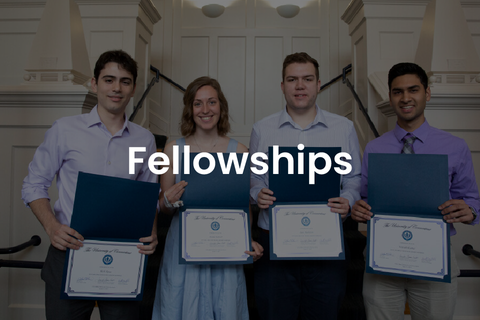
A fellowship can be broadly described as a monetary award given to a student to pay for academic pursuits, often involving research. …

Job shadowing is an excellent way to explore and develop a deeper understanding of your career interests, including the career …

Featured Articles

Trends, advice, and experiences in this community, written by Career Center staff and subject matter experts.

Additional Resources for Grad Students

If you have never taught, or you would like to sharpen your existing teaching skills, consider enrolling in various workshops …

Learn about UConn-based Graduate Assistantships in offices and departments throughout the University. Note: This site has the greatest number of …

Try out “true-to-life” job simulation exercises by applying your skills and knowledge to real-life tasks associated with specific careers. Note: …